
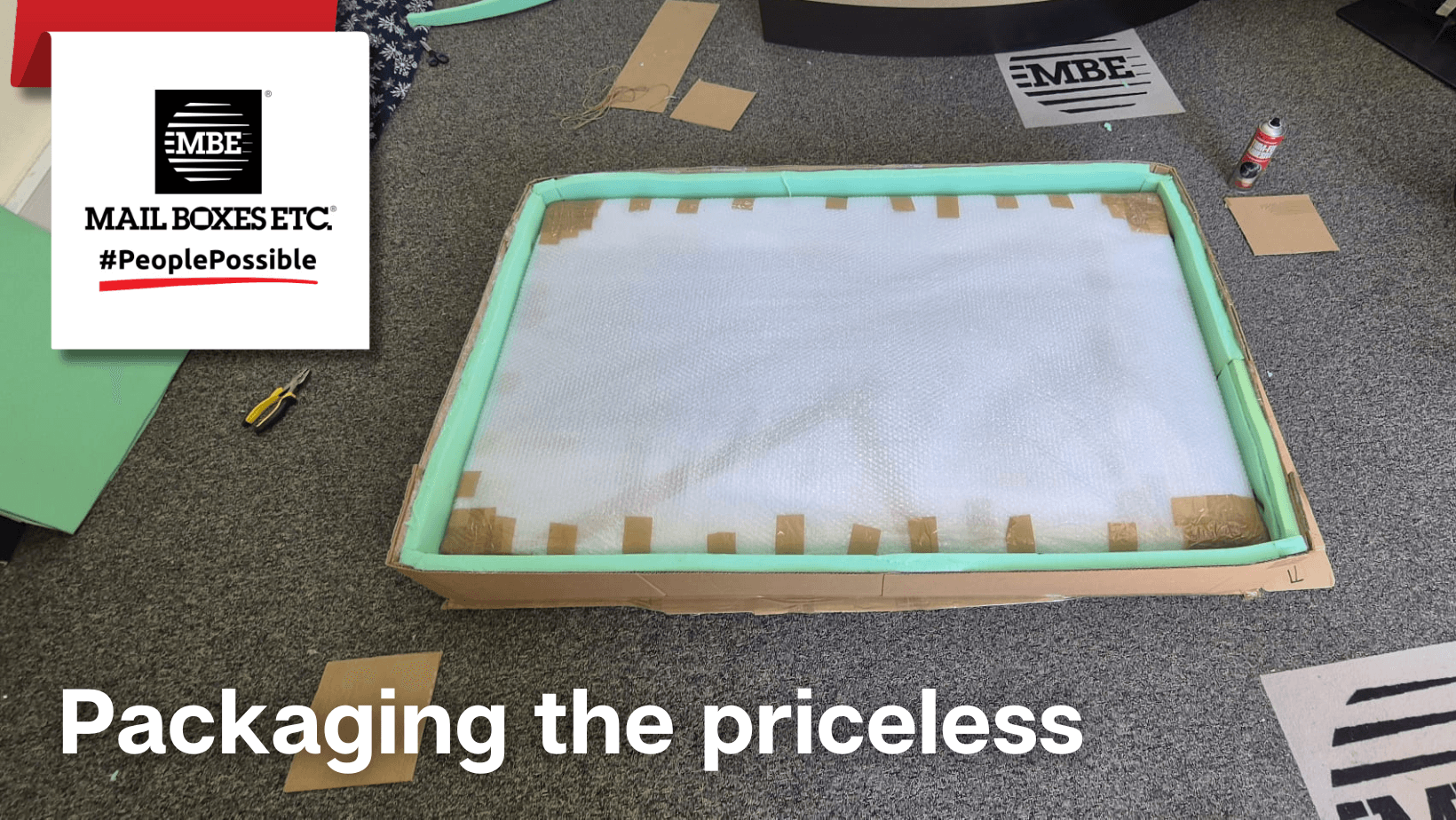
Shipping artwork is fundamentally different from shipping ordinary goods. It is not standard courier work, and it should never be treated as such. Every artwork carries risks that go far beyond typical transit concerns: physical damage, environmental exposure, loss, theft, and even irreversible degradation.
This is why professional handling must begin from the very first moment. At Mail Boxes Etc., we do not recommend DIY packing for artwork. Instead, we insist on taking responsibility for packaging immediately – either in-store or directly at the client’s premises, thereby ensuring that protection starts before the journey even begins.
When it comes to transporting art, prevention is not optional. It is essential.
Every Artwork Transport Starts with a Professional Assessment
Before any packing begins, each artwork undergoes a detailed professional evaluation. This allows us to understand the specific risks involved and to design a transport solution tailored to the piece.
We assess:
- Artwork type (painting, sculpture, framed work, mixed media, antiques)
- Materials used (canvas, glass, metal, wood, ceramics)
- Dimensions, weight, and fragility
- Declared and market value
- With this information, we can plan:
- The appropriate packing method
- The safest transport mode
- Insurance requirements
- Customs documentation and export/import solutions
No two artworks are treated the same. Every decision is made to protect the object, the owner, and the integrity of the piece.
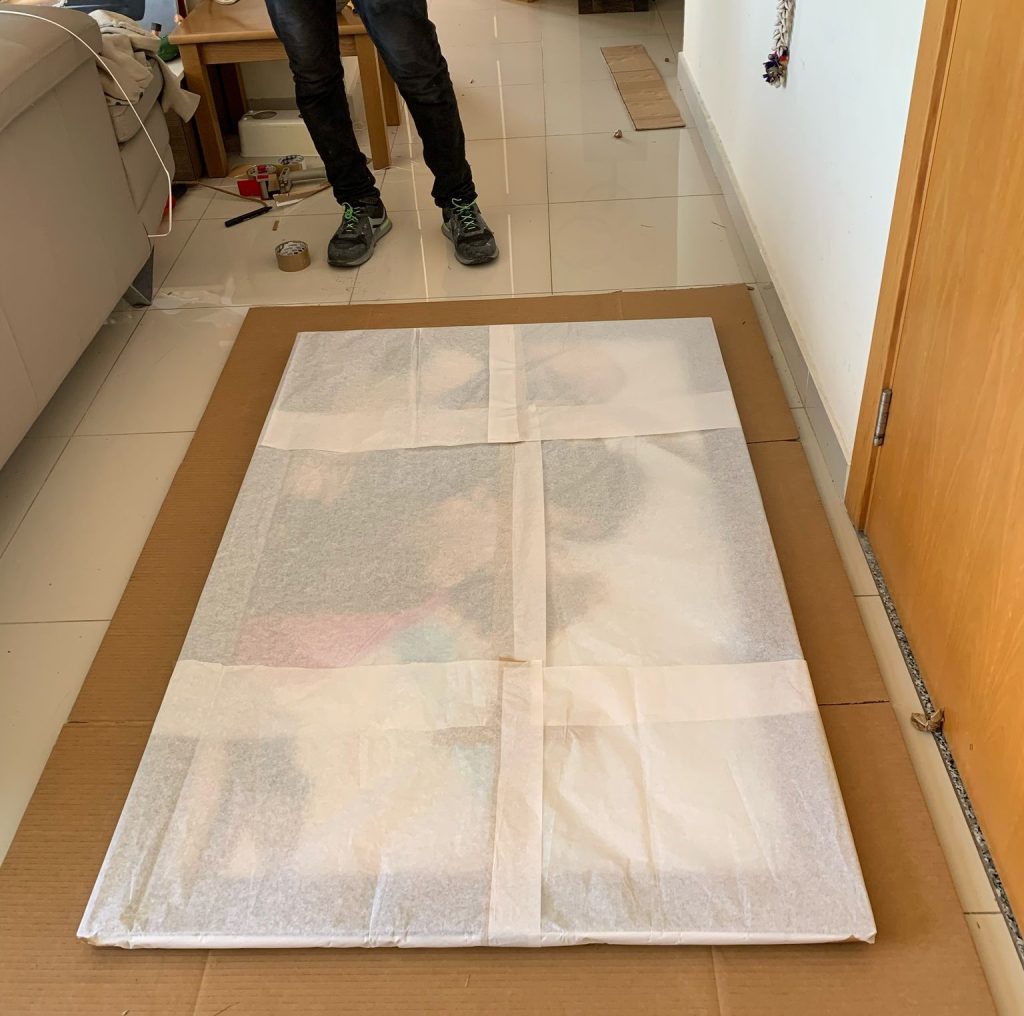
Packaging Is More Than Just Bubble Wrap
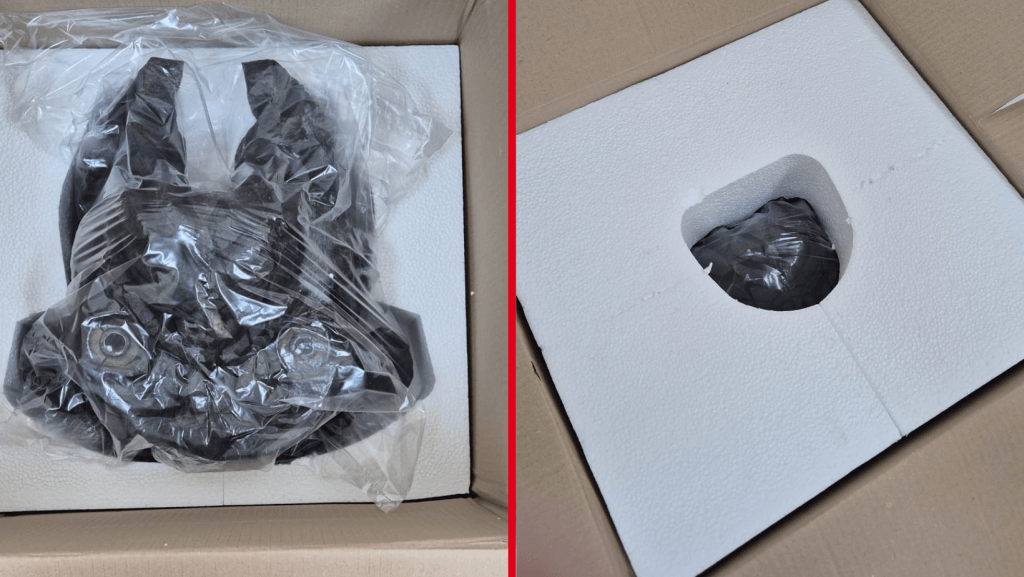
Professional art packaging goes far beyond simple wrapping materials.
At Mail Boxes Etc., we use:
- Acid-free tissue paper
- Archival-grade wrapping materials
- Custom-cut foam padding and corner protectors
- Made-to-measure cardboard boxes or wooden crates
Common mistakes that can be dangerous for artworks:
- Ordinary paper can transfer acids and damage surfaces
- Loose packing peanuts can allow movement and apply pressure
- Overpacking can stress frames, canvases, and glass
True professional packaging is designed to:
- Absorb shocks and vibrations
- Prevent internal movement
- Protect delicate edges, frames, glazing, and protruding elements
All while accounting for environmental factors such as:
- Humidity
- Temperature fluctuations
- Seasonal and climatic conditions during transit
Custom Crating for High-Value or Fragile Art
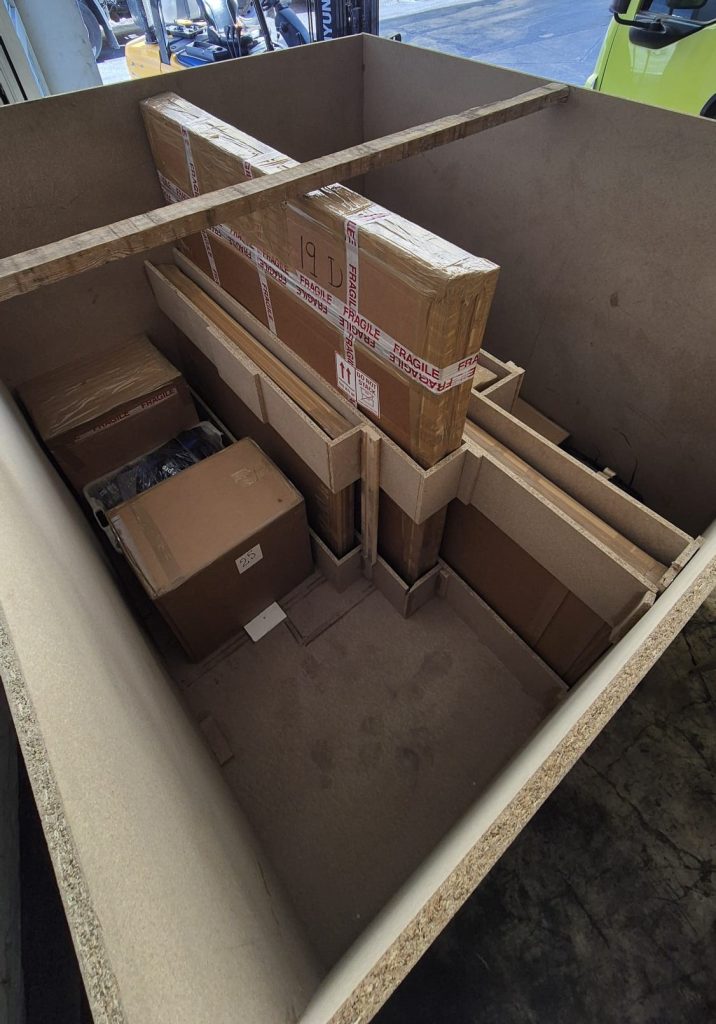
In many cases, custom wooden crating is the safest solution.
Crating is typically required for:
- Sculptures
- Large or heavy-framed works
- Museum-level or high-value pieces
The advantages of custom crates include:
- Structural rigidity and impact resistance
- Tailored internal supports
- Compliance with international shipping standards
Is a crate always necessary? No.
Is it often the safest option? Absolutely.
Beyond protection, crating also makes handling significantly safer. Consider the difference between manoeuvring a life-sized statue loose on a trolley, versus moving a fully secured, balanced crate. The reduction in risk is immediate and substantial.
And if this sounds complex, don’t worry. Mail Boxes Etc. takes care of it all.
Age Matters
Did you know that any object over 50 years old is considered a vintage item? Once that happens, a number of regulatory requirements come into play if the item is to be transported abroad. This is not limited to works of art, but can be any item.
Case Example
The client wished to transport a guitar; however, it was identified as over 50 years old. This meant that the item could not be declared solely as a guitar, but instead required certification on: age, origin and materials.
Additionally, the type of wood used in the guitar had to be identified with supporting documentation to confirm that it is permitted to travel. These certificates were required to be compliant with the environmental regulations along with all the other standard transportation documentation.
Insurance and Declared Value: A Critical Distinction
Insurance is not optional when transporting artwork.
Many countries require artworks to be insured not only in transit, but also while stored. Some pieces may be considered cultural or heritage assets, and may require inspections or special declarations to ensure their protection.
It is important to distinguish between:
- Declared value (for customs purposes)
- Full artwork insurance coverage
- Proper insurance protects against:
- Accidental damage
- Loss
- Theft
And most importantly, it provides transparency and peace of mind for collectors, artists, galleries, and institutions.
Where is my artwork coming from?
You should be aware that if you are importing an artwork from a non-EU country, it may be subject to tax.
We can assist with several procedures for this, whether it be outright import(settling taxes), temporary admission or a T1 Procedure for import. One should note that if an item has been owned for more than 1 year, it may qualify for the relief of importing personal items.
Artworks that are travelling the world for exhibitions usually have what is known as an ATA Carnet to facilitate the smooth transition across various borders, as it goes from ex
Documentation and Customs Handling
Artwork transport requires precise and accurate documentation, including:
- Customs declarations
- Export permits
- Temporary export paperwork
- Import documentation in the destination country
This includes the necessary permits/permissions required to be in line with requirements from the Superintendent of Cultural Heritage.
Errors in documentation can lead to:
- Delays
- Fines
- Seizure of the artwork
At Mail Boxes Etc., our experienced team manages the entire process end-to-end — ensuring compliance, avoiding costly mistakes, and keeping your shipment moving smoothly.
Who We Work With
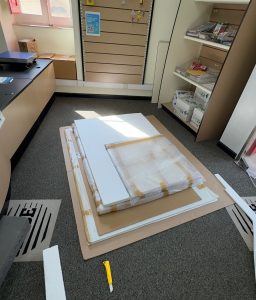
Over the years, Mail Boxes Etc. has built a reputation for expert handling of artworks and cultural items.
We work with:
- Private collectors
- Artists
- Galleries
- Auction houses
- Museums
Behind every carefully packed crate and every controlled shipment is a simple understanding: artworks are often irreplaceable.
If you are considering transporting art to or from Malta,
speak to Mail Boxes Etc., the experts who treat every piece with the respect it deserves.
Leave a Reply